Whether on Google Ads (formerly Google AdWords) or Bing Ads, the question has always sparked debate: is it necessary to bid on your own brand name when you already rank in an excellent position organically (SEO)?
At datashake, the answer is clear: yes, and here are the main reasons why.
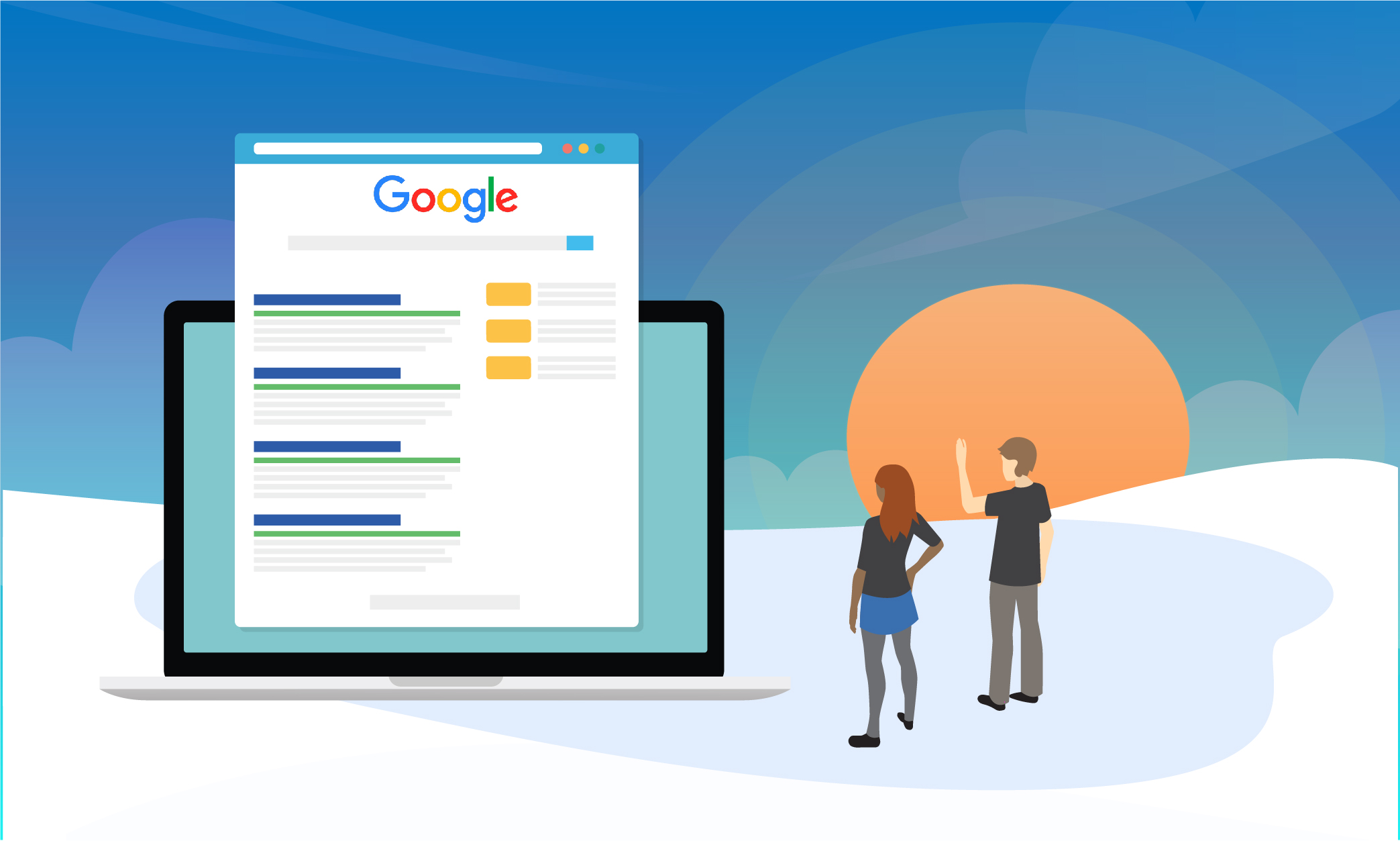
1. The most obvious reason is defending your brand territory against competitors. Competitors are allowed to bid on your brand name and can potentially appear in the top position of search results, right above your organic listing.
Moreover, since the October 2018 update to Google's policies on brand name usage in ads, competitors can more easily use your brand name in their paid search ads, drawing in users who originally searched for you. It's worth noting that Bing Ads also allows the use of competitors' brand names in ads. In the past, competitors had to pay a high cost per click to offset the poor Quality Score that came with running irrelevant ads. Since that update, that's less true, because a competitor can now mention your brand directly in their ad copy. This is why you absolutely must bid on your own brand name, especially in highly competitive markets.
2. Unlike SEO, paid search gives you much simpler control over the exact wording used in search results. In organic search, you'd need to modify site code and run multiple tests to customize what's displayed, and the result is never guaranteed to appear exactly as intended.
Paid search lets you write your ads character by character and adapt your message to the specific search query entered, something that becomes far more complex to control in SEO. This means you're always in control of the message your potential customers see, which makes brand image management much easier.
3. You can run A/B tests. Thanks to the greater flexibility in writing paid search ads, you can naturally test variations by changing headline order, sales arguments, competitive advantages, landing pages, and more. You'll also have easy access to data such as search queries and search trends.
4. It shouldn't cost you much. As mentioned above, bidding on your own brand name logically gives you an excellent Quality Score on those keywords, meaning you won't pay a high cost per click. Brand campaigns are therefore affordable, will boost your click-through rate and your overall Quality Score, and have a strong chance of being profitable. Your predicted conversion rate is also a key indicator of account health, and by definition, brand campaigns tend to have strong predicted conversion rates.
5. You maximize your visual presence and minimize lost traffic. By combining paid search ads with your organic listings, you take up more space on the screen and make it more likely that users visit your site rather than a competitor's. This is especially true on mobile, where screen real estate is limited. Studies have also shown that brand campaigns can drive incremental click and conversion volumes compared to an organic-only presence.
Finally, paid search ads let you include information through ad extensions that would be much harder to surface in organic search, such as your mailing address or links to specific sections of your site.
Want help with your brand and non-brand strategy? We can guide you through it!
Don't hesitate to reach out if you'd like support with your digital marketing strategy.