
The social network TikTok, originally known as Musically, generated enormous interest in just 4 years, particularly among teenagers. For several months now, and especially since lockdown, many brands and major groups have been eyeing this platform as an opportunity to reach a younger audience.
With strong user growth (805 million monthly active users as of last June), the biggest increase in time spent on the platform ahead of Instagram and Facebook, and a significant share of young consumers (57% aged 13 to 24), the app has sparked brands' curiosity and opened up strategic opportunities for them.
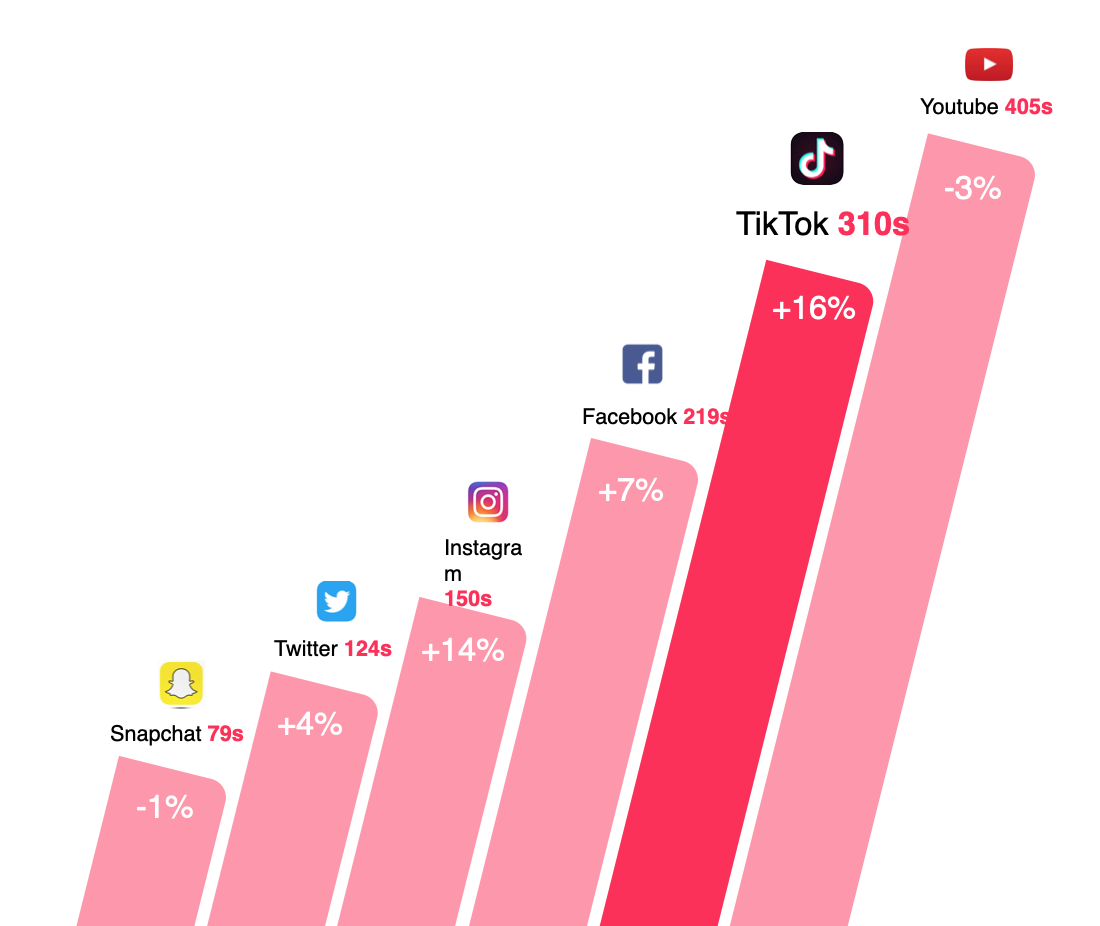
datashake breaks down the elements behind this phenomenon.
Why Are Brands Getting Into TikTok Advertising?
As you've gathered, brands want to reach young people, especially those under 20. They see a compelling case for it, since these generations will be tomorrow's consumers, making it important to spark their interest early and turn them into loyal brand ambassadors.
This demographic never embraced Facebook and isn't present on that platform, but they did adopt Instagram and Snapchat, which offer visual content that can be consumed quickly. And that's exactly what this generation born in the 2000s loves. The problem is that on those two platforms, the age ranges are very broad and the volume of ads is very high.
Then TikTok came along, offering music-driven or freestyle videos, collaborations, challenges, fast-consumption content, and an infinite feed. Young people jumped on the app and, at least for now, very few ads are shown there.
Brands are moving to TikTok because they can reach this young audience on their home turf, adapting to their new way of consuming content. Through this channel, and especially through the type of content TikTok enables, companies can hope to build loyalty and drive engagement with this audience, turning them into tomorrow's brand ambassadors. That's where TikTok's strength really lies.
On top of that, teenagers and young adults watch ads for shorter periods on average than older demographics. With TikTok, a platform deeply rooted in pop culture, brands are learning to understand the habits of 15-to-25-year-olds.
How Does TikTok Ads Work?
First of all, advertising on TikTok Ads is less intrusive than on other social networks. Brands put in more creative effort compared to other platforms so that their messages resemble user-generated videos. They also work harder on their brand image within the communities they target, since newer generations pay much closer attention to the values a company projects. Content quality does matter on TikTok: the use of built-in editing tools, transition effects, filters, and music choices all play an important role in how popular videos become. Brands need to adapt to the platform's codes to reach their audience and run successful campaigns.
TikTok is certainly known as the social network for challenges where teenagers film themselves dancing, but it's much more than that. Drawings, vlogs, tutorials, fashion, pranks, news — there's something for everyone. Through videos tied to the most popular hashtags, brands play up their image with one clear goal: awareness. TikTok is indeed a platform that lends itself more to building brand awareness and visibility than to driving purchases, for example.
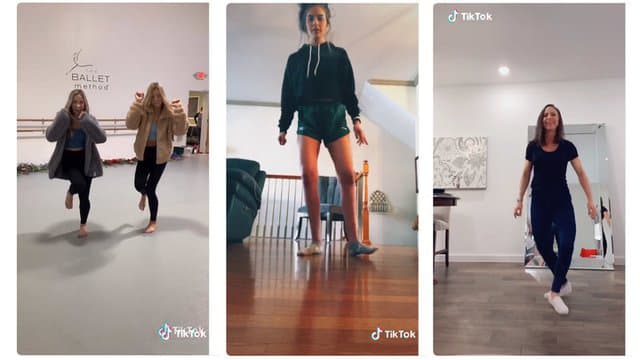
Another strength of TikTok Ads is its targeting: as users interact with content, the platform serves a personalized stream of videos matched to their passions and interests. This is a major asset for advertisers who want to use this targeting to reach the community most relevant to them.
What Video Formats Does TikTok Ads Offer?
The flagship format on TikTok Ads is the Challenge. It's THE most popular format among brands. These videos go viral because they leverage influencers with a strong following. The influencer launches a "challenge" that users then pick up, reaching a large number of people.
Mercedes-Benz, for example, used it with the hashtag #MBStarChallenge. The brand encouraged TikTok users to redesign its world-famous logo in their own way, a means of boosting brand awareness and visibility while driving engagement with a younger audience than the typical Mercedes fan. The campaign generated 850 million views, with more than 185,000 videos created by some 73,000 participants.
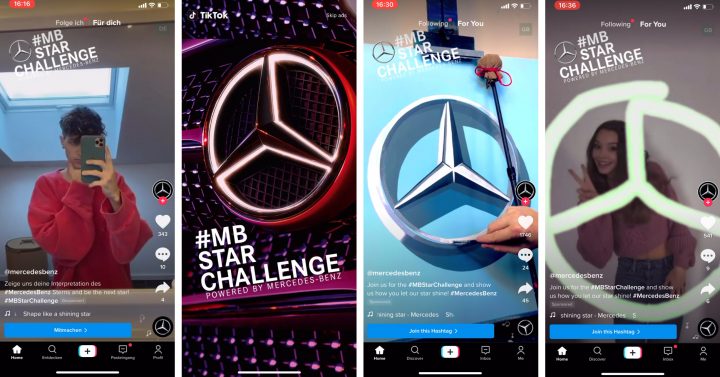
This type of challenge subtly gives the user a sense of meaningful involvement in the brand's development, creating a satisfaction loop. For the brand, the goal is to influence the user's future choices, because when they eventually go to buy a car, they will unconsciously lean more easily toward Mercedes. Why? Because unlike a traditional ad, the user will have already been engaged by the German brand in an interactive way, giving them more consideration for it.
This format allows brands to break away from standard content, be more creative, and create interaction. But challenges aren't the only option. Brands can purchase several other ad formats, ranging from videos with a tab linking to external sites, to a full-screen ad that appears when the app is opened, to video ads placed between user videos, along with branded hashtag sponsorships or product placements. And good news: TikTok Ads has launched its self-serve platform for advertisers.